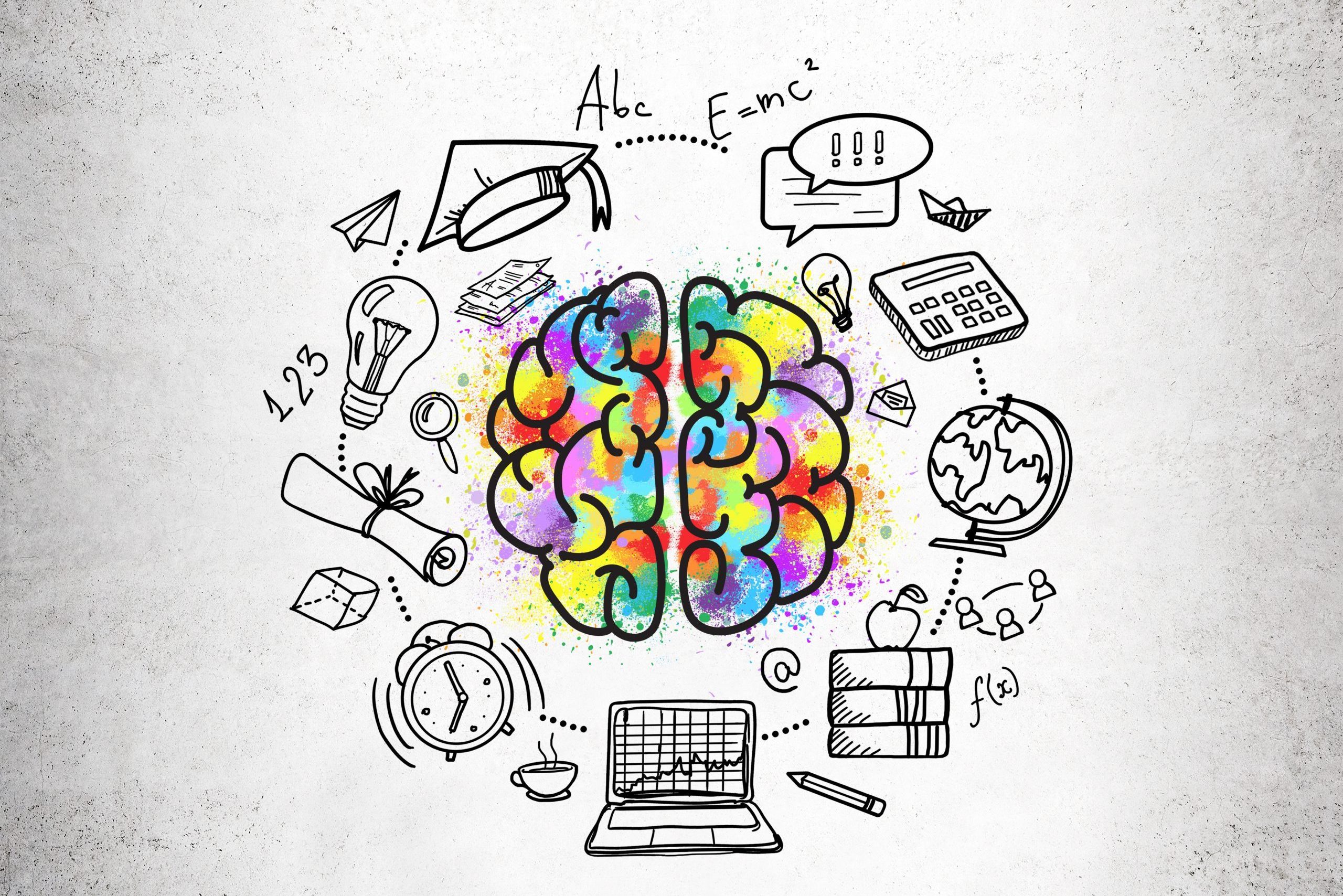
BRAIN, LEARNING & EDUCATION
The Brain, Learning, and Education (BLE) Lab investigates the neurocognitive mechanisms explaining math achievement and gains in math performance over time using functional magnetic resonance imaging (fMRI) and event-related potentials (ERPs), focusing on the role of both cognitive and affective factors.
Contact Dr. Macarena Suárez Pellicioni at mspellicioni@ua.edu.
BODY COMPOSITION ASSESSMENT
The Body Composition Assessment Lab examines the validity and reliability of body composition assessment techniques as well as the relationship between physical activity and body composition.
Contact Dr. Michael Fedewa at mvfedewa@ua.edu.
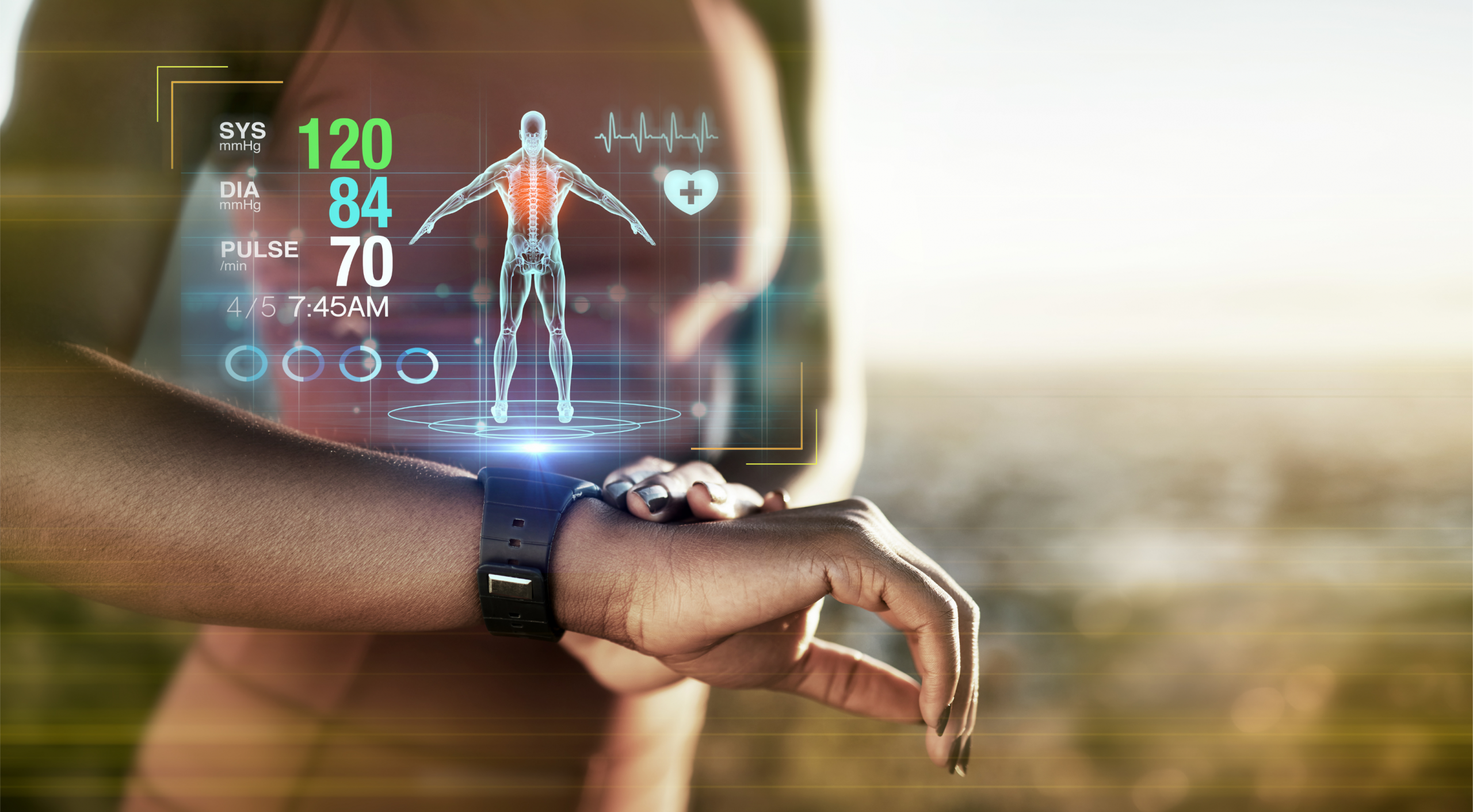
CARDIOVASCULAR HEALTH & PHYSICAL ACTIVITY
The Cardiovascular Health and Physical Activity Lab (CHAPAL) examines how clinical and lifestyle-related health factors impact human cardiovascular and metabolic health on an individual and population level.
Contact Dr. Elroy Aguiar, ejaguiar@ua.edu, or Dr. Hayley MacDonald, hvmacdonald@ua.edu.
DIGITAL, COMPUTATIONAL & DATA LITERACIES
The Digital, Computational, and Data Literacies Lab (D.CoaD) is home to an interdisciplinary and collaborative research team led by Dr. Amy Hutchison, UA Fayard Family Endowed Chair in Literacy Education. The D.CoaD team integrates digital, computational, media and data literacies to support teaching and learning. It has multiple funded projects focused on understanding how to support students, especially those with disabilities, in learning about computer science, computational thinking, data, media and STEM-focused communication through literacy. D.CoaD is committed to helping students develop media literacy skills, preparing them for the digital literacies of the future.
Contact Dr. Amy Hutchison at achutchison1@ua.edu.

EMBODIED LEARNING DESIGN & EDUCATIONAL NEUROSCIENCE
The Embodied Learning Design and Educational Neuroscience (ELDEN) Lab focuses on numerical cognition, mathematics learning and embodied cognition, in addition to wider interests in cognitive and developmental disorders, evolution of cognition, STEM learning, and computational modeling.
Contact Dr. Firat Soylu at fsoylu@ua.edu.

EXERCISE PSYCHOLOGY
The Exercise Psychology Lab is designed to examine the psychobiological responses to aerobic exercise and lab-based stressors. It also looks at the acute affects of exercise on learning and decision-making, the neurobiological mechanisms responsible for psychological improvements as well as the cognitive-enhancing effects of exercise.
Contact Dr. Kevin Crombie at kmcrombie@ua.edu.
INNOVATIVE TECHNOLOGY IN EDUCATION
The Lab for Innovative Technology in Education (LITE) provides pre-service educators with cutting-edge resources as well as training, support and experiences that enable them to utilize existing, modern and innovative instructional technology tools and pedagogical practices, creating inventive and transformative learning environments that facilitate and maximize student engagement, creativity and learning.
Contact Dr. James Hardin at jhardin@ua.edu.

MULTISCALE NEUROMECHANICS
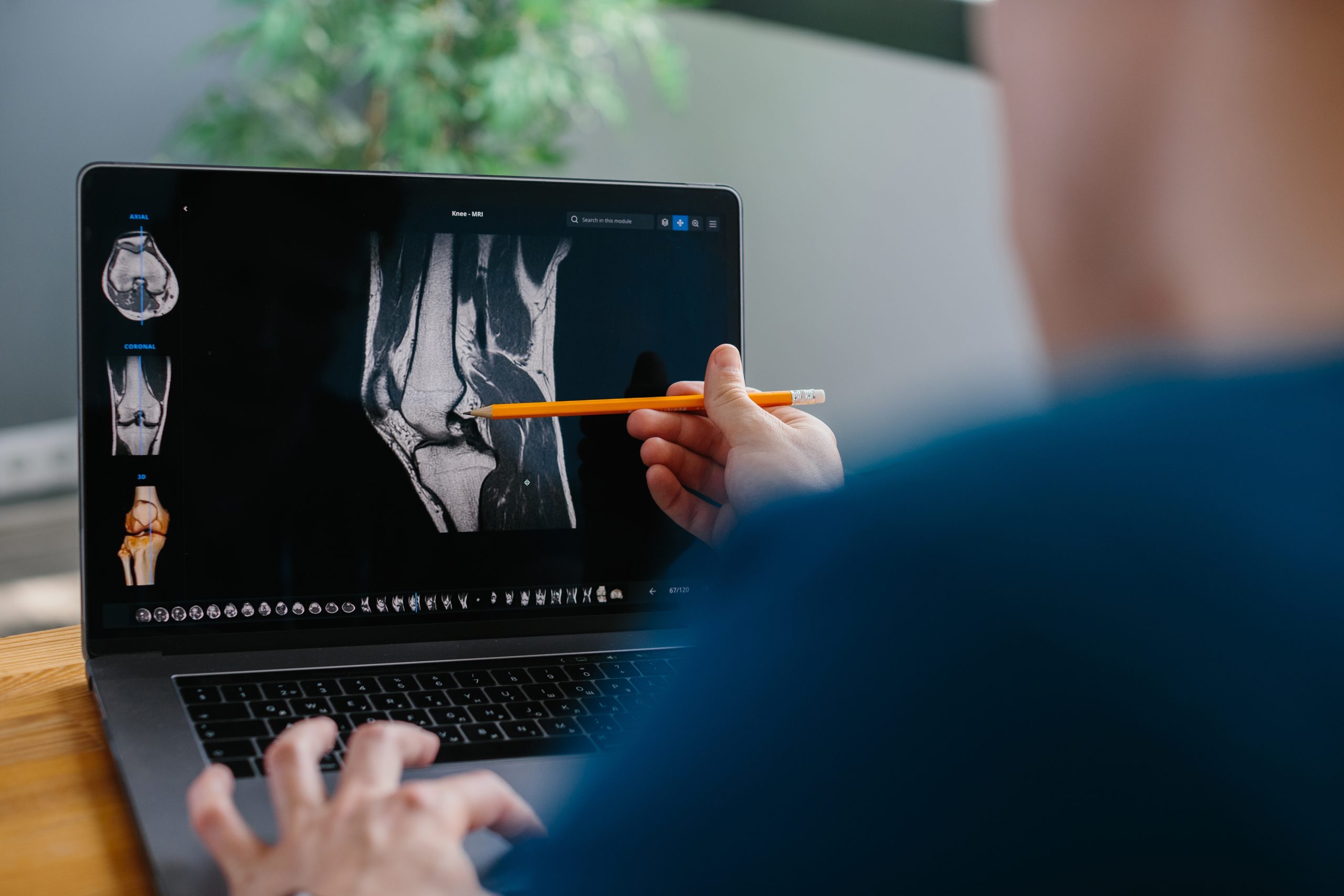
The Multiscale Neuromechanics Lab uses various biomechanical, neuromuscular and imaging research approaches to predict osteoarthritis progression, study cartilage health, test efficacy of disease-modifying intervention, and to improve rehabilitation and alleviate long-term impairment caused by musculoskeletal injury and disease. This work is conducted at both the UA MRI Research Facility and Wade Hall.
Contact Dr. Timothy Lowe at tlowe1@ua.edu.
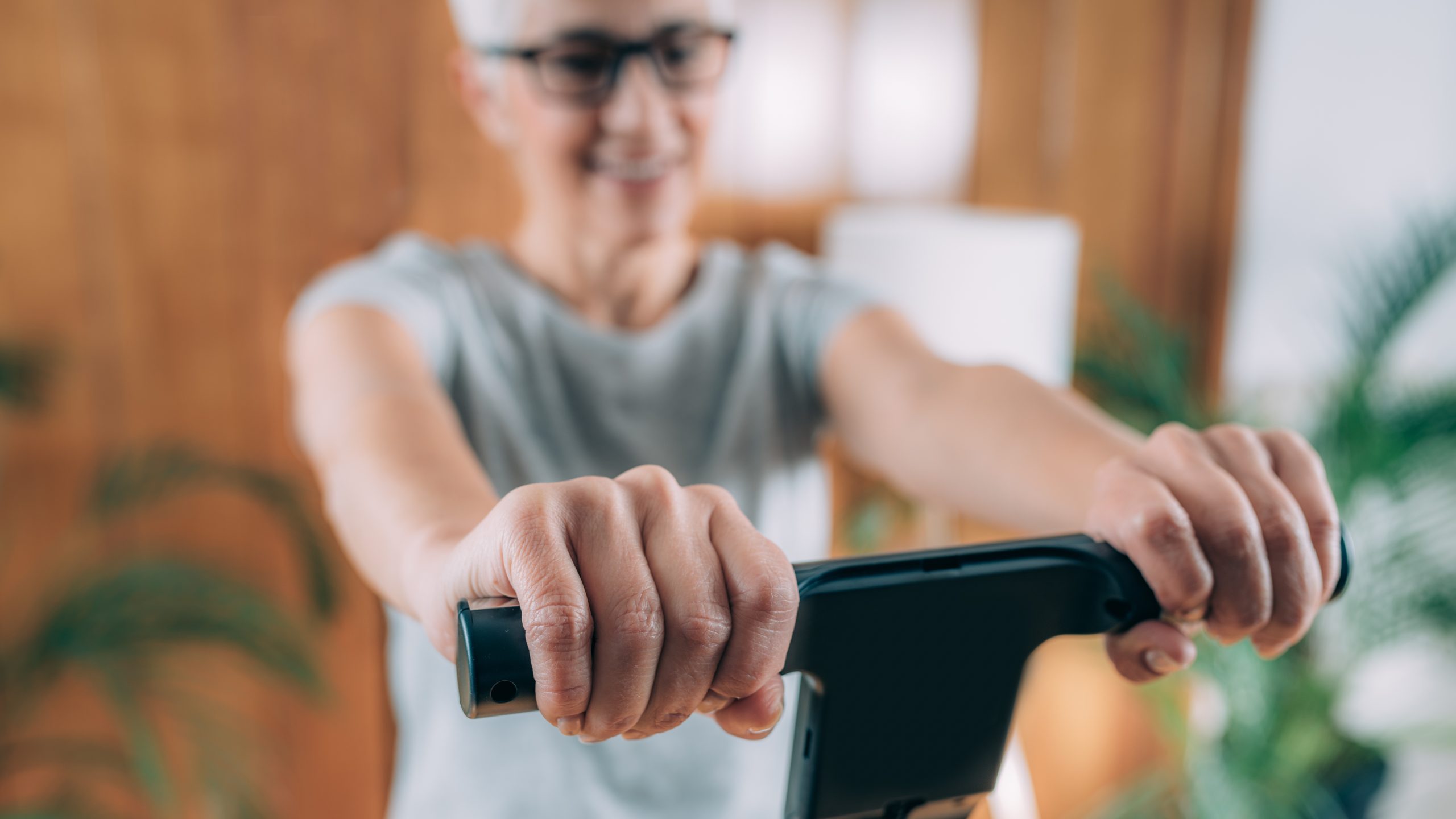
NEUROMUSCULAR PHYSIOLOGY
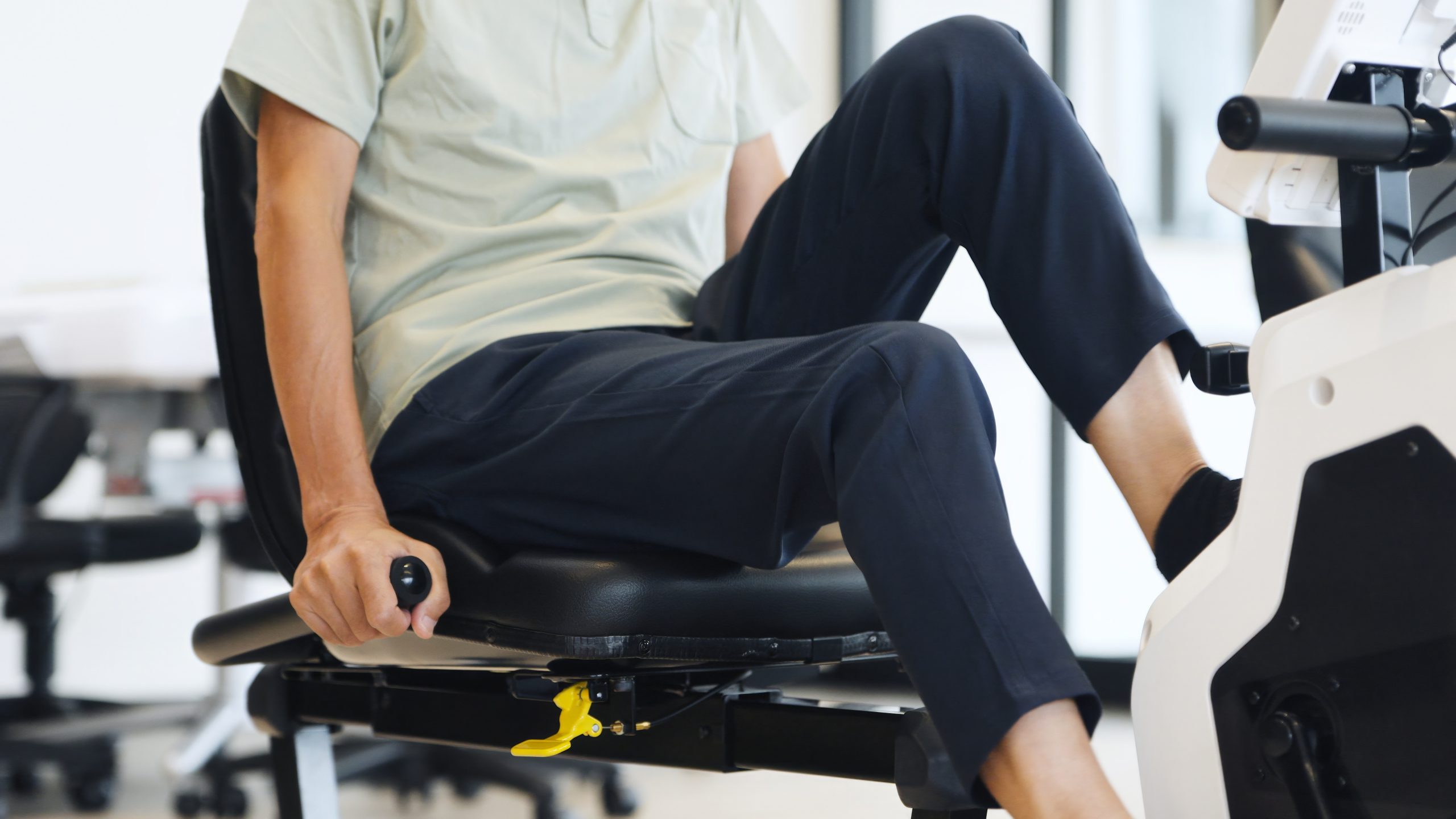
The Neuromuscular Physiology Research Lab for Healthy Aging conducts research investigating neuromuscular mechanisms of altered motor control in older adults and those with neurological injury and uses this knowledge to develop better rehabilitation interventions for addressing motor impairments.
Contact Dr. Changki Kim at ckim23@ua.edu.
PHYSICAL EDUCATION & SPORT PEDAGOGY LAB
Contact Dr. Oleg Sinelnikov at osinelnikov@ua.edu.

SOCIAL, EMOTIONAL & EDUCATIONAL NEUROSCIENCE
The Social, Emotional, and EDucational (SEED) Neuroscience Lab studies how to promote students’ social, emotional and motivational development in educational settings by utilizing various neuroscientific research methods, including but not limited to, functional MRI (fMRI), structural MRI, psychological intervention, and computer simulation methods. We conduct research projects focusing on moral development and education, growth mindset, and effective educational interventions promoting positive youth development.
Contact Dr. Hyemin Han at hhan19@ua.edu.
STRENGTH & PERFORMANCE ASSESSMENT
The Strength and Performance Assessment (SPA) Lab conducts research examining the effects of blood flow restriction training on strength and performance modulation, changes in renal and cardiovascular health in elementary school educators and neuromuscular responses to various training stimuli.
Contact Dr. Lee Winchester at ljwinchester@ua.edu.
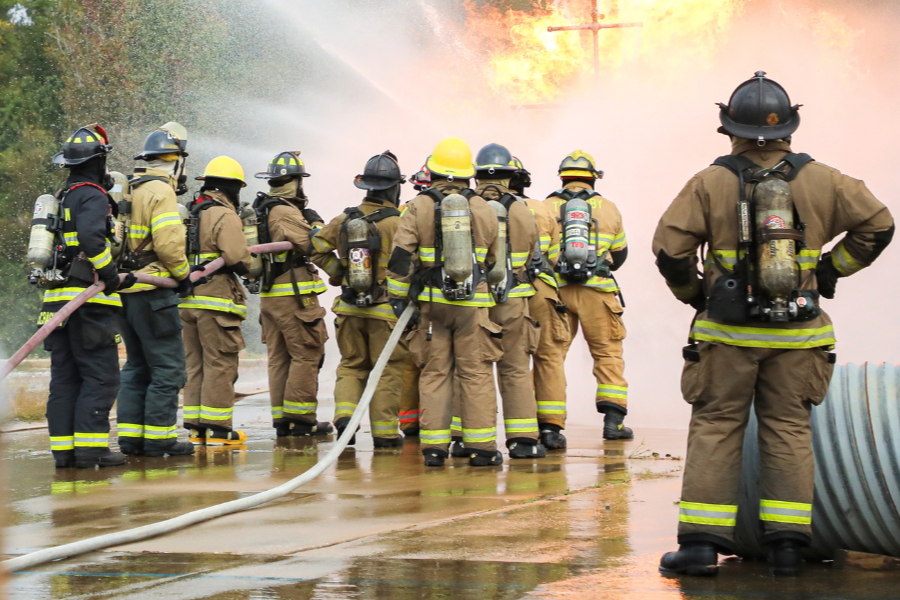
TACTICAL PERFORMANCE
The Tactical Performance Lab at the Alabama Fire College focuses on researching cardiovascular strain and disease risk associated with firefighting through a variety of evaluation methods. The lab also works to help improve performance in the field and aims to increase the number of women in firefighting careers.
Contact Dr. Lee Winchester at ljwinchester@ua.edu.
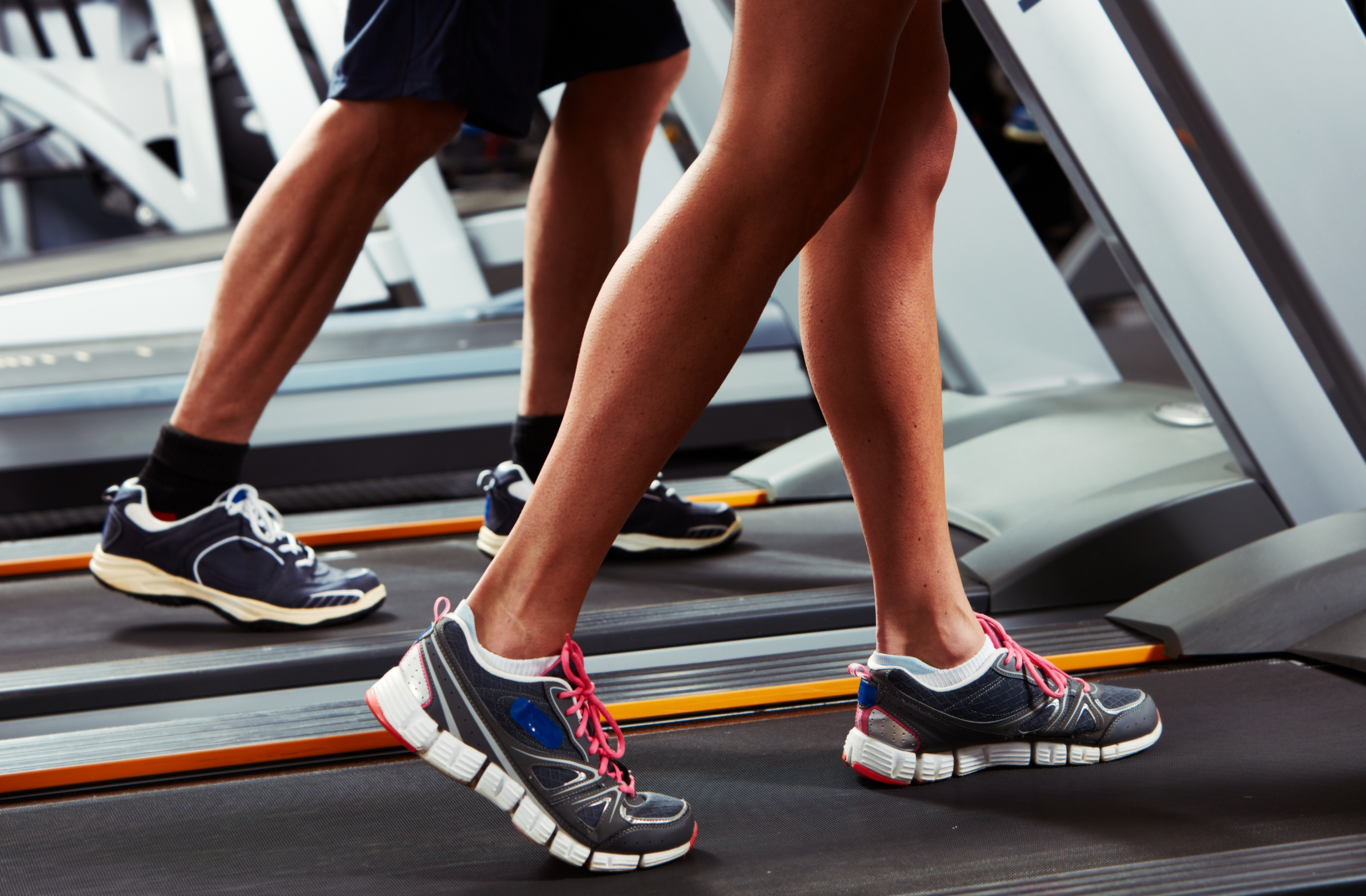
THERMOREGULATION, EXERCISE & METABOLIC PHYSIOLOGY
The Thermoregulation, Exercise, & Metabolic Physiology (TEMP) Lab research focuses on human performance and work capacity in challenging athletic or occupational environments, such as hot climates.
Contact Dr. Jonathan Wingo at jwingo@ua.edu.